A physical arena brawler where the floor is the mechanic, not the theme.
2 to 4 players, up to 6 · about 20 minutes · one shared board in the middle of the table
Working title · a concept by Pamplemoose Games
The wall you hit was clearing other people's artists. This design never goes near it. Party Animals is a game your crew already plays on camera, and the appeal is the same every time: one arena, everybody at once, the floor falling apart underneath them. The Drop is that night in a box, with your people in it.
2 to 4 players, up to 6, around one shared board. Roughly twenty minutes. Three phases, and the handoff between them is the whole design.
BUILD. Everyone lays terrain tiles into a shared grid in the middle of the table while arming one character in front of them. The board scales with the table: 3x3 for two players, 4x4 for three or four, 5x5 for five or six.
DEPLOY. The moment the last tile lands, arming stops for everybody. You step onto the map with whatever you finished.
MAYHEM. Characters go after the board itself. Blow the tile out from under someone or shove them off it. The arena erodes until one is standing.
The instant the grid completes, the game changes shape. Everything interesting comes off that one moment.
Nobody calls the last tile. Whoever places it ends the arming phase for the whole table. Get your loadout done, or walk onto the floor half equipped.
Take the tile out from under them, or shove them off it. Different loadouts answer different threats, and the mobile builds survive both.
Position does the work toughness usually does. You defend yourself by standing somewhere that is hard to break.
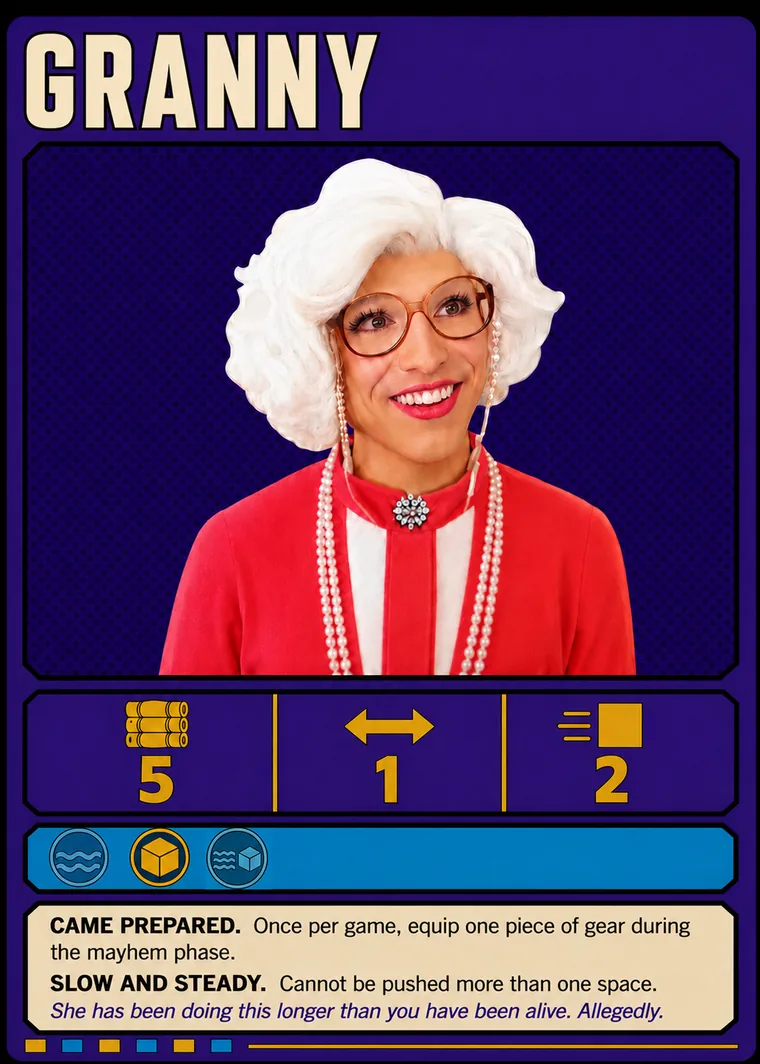
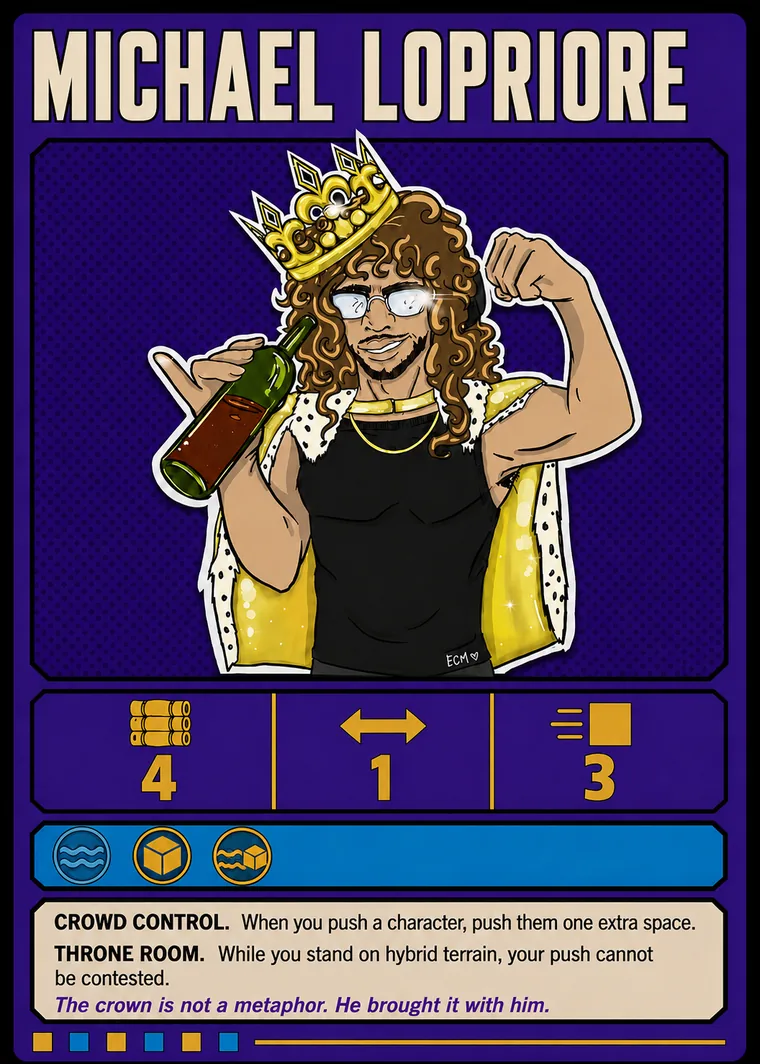
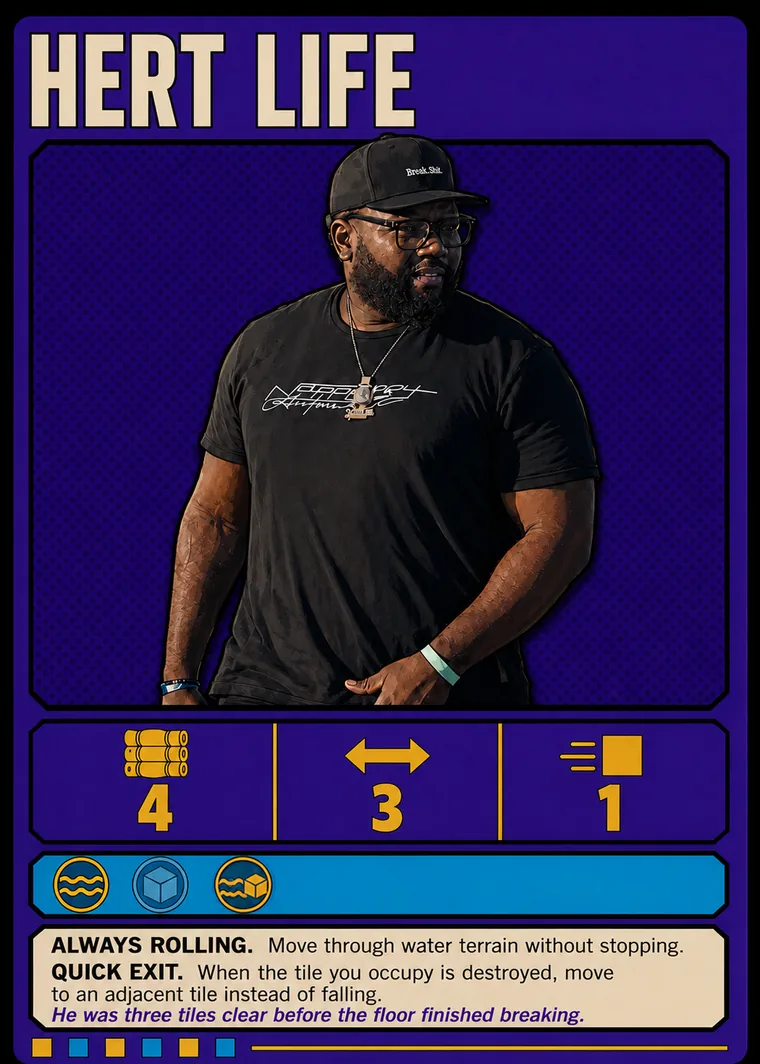
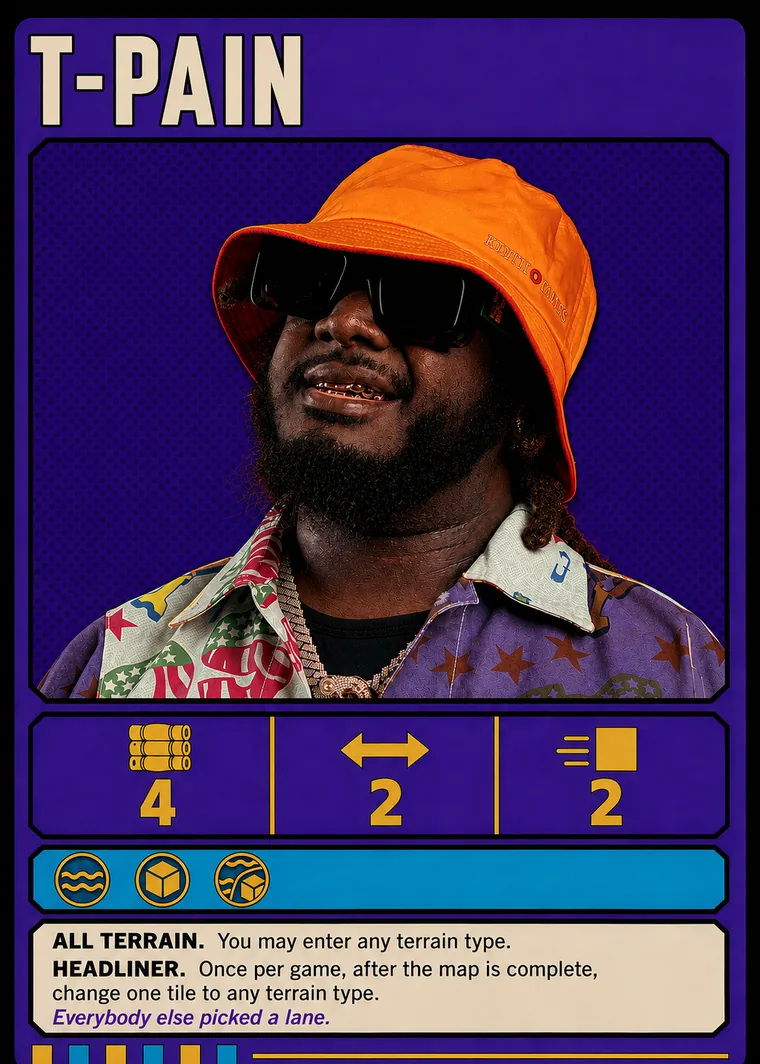
The same people your audience watches every week, built as playable characters.
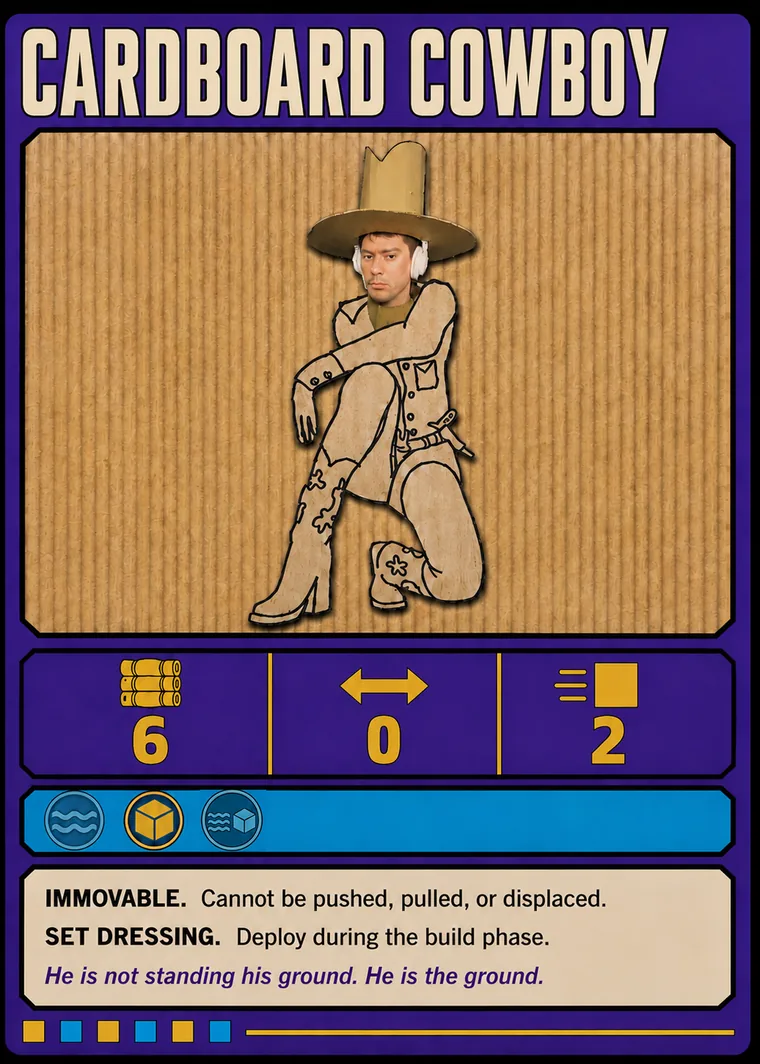


Slots / movement / push. Every line totals eight, so no character is strictly better than another.
Original characters, illustrated rather than photographed, covering the archetypes your roster leaves open. These four are examples. There is no ceiling on how many exist, and each new one needs clearance from nobody because it did not exist before we drew it.
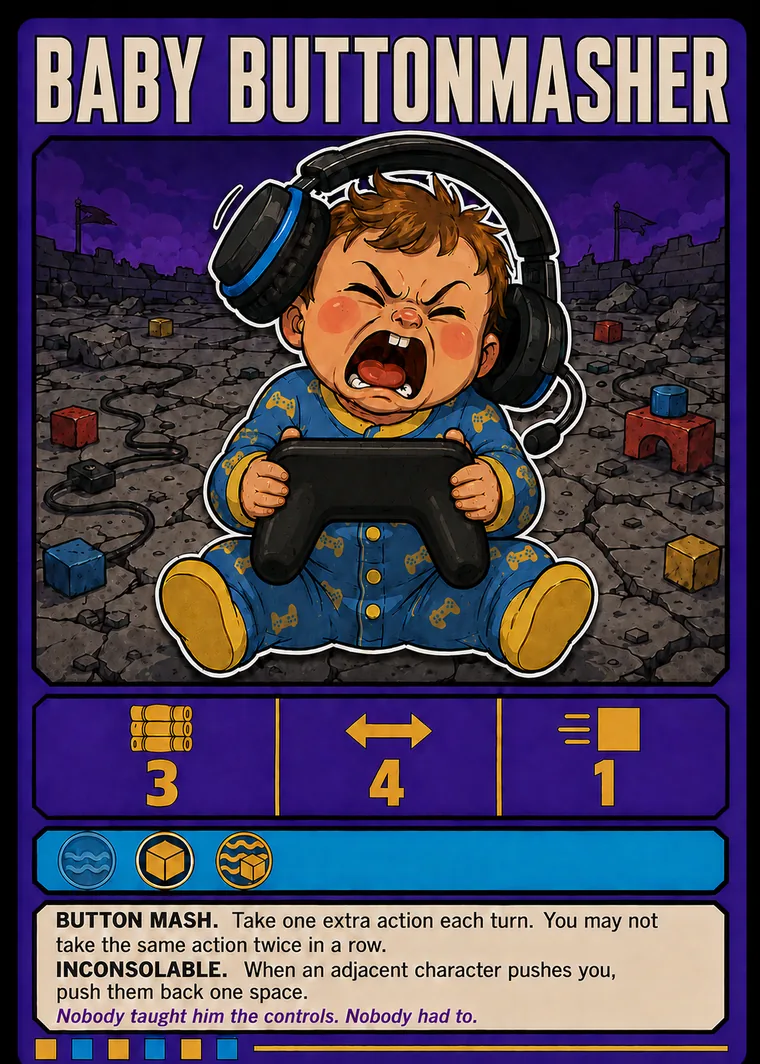
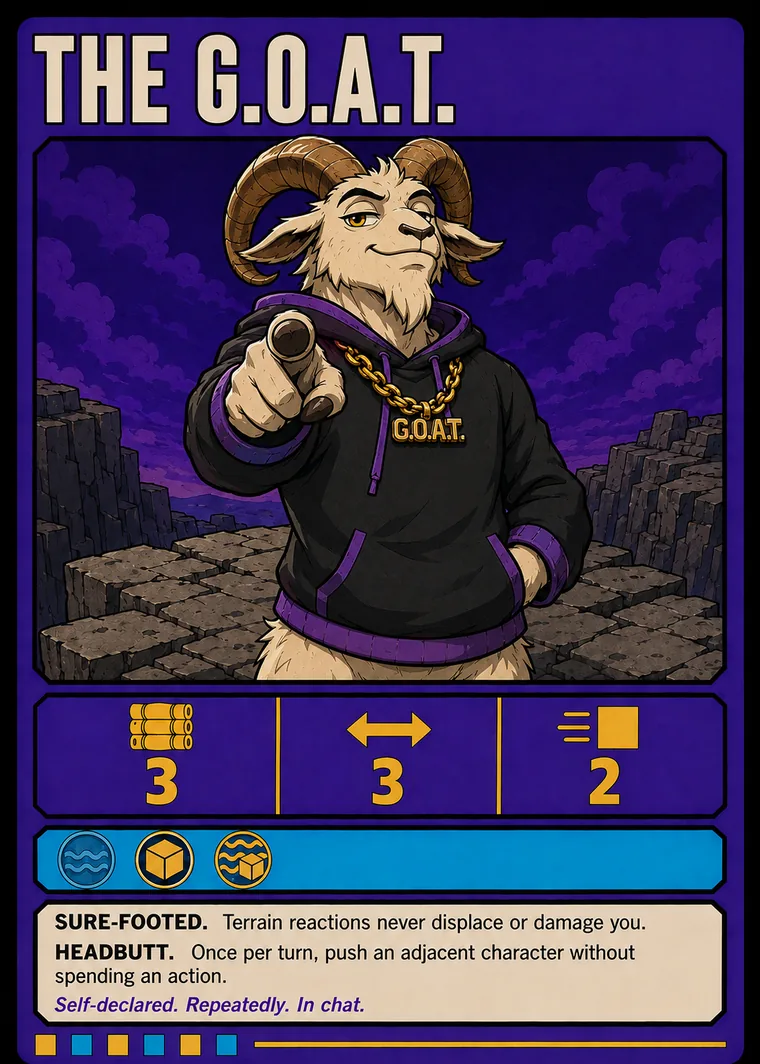
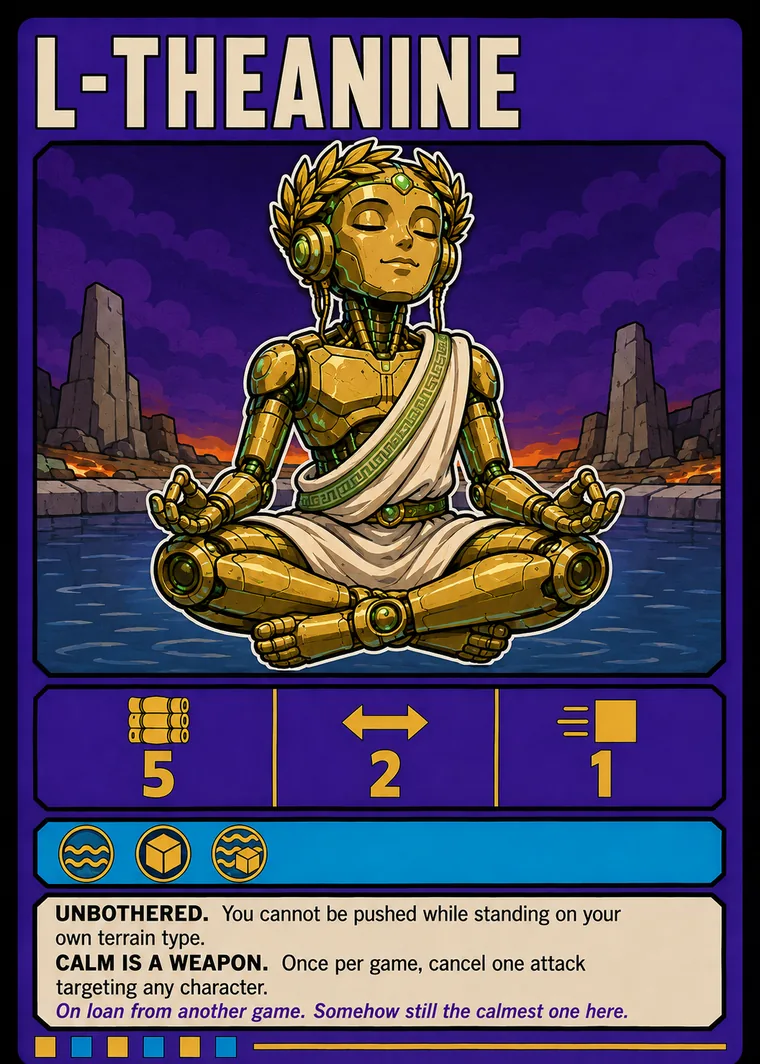
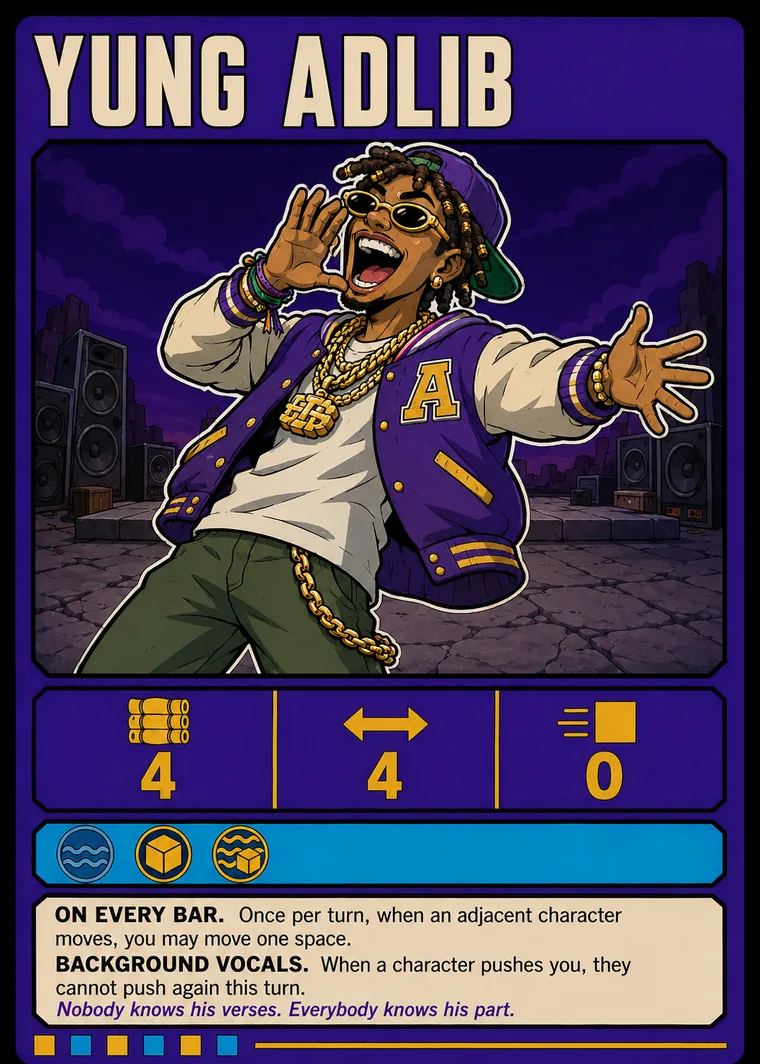
Yung Adlib is the artist archetype without the artist, which was the whole point of the brief.
Terrain lives in its own deck with its own sleeve, so everyone can see whose tile is whose. Type tells you where you can go. Subtype tells you what happens when you get there.
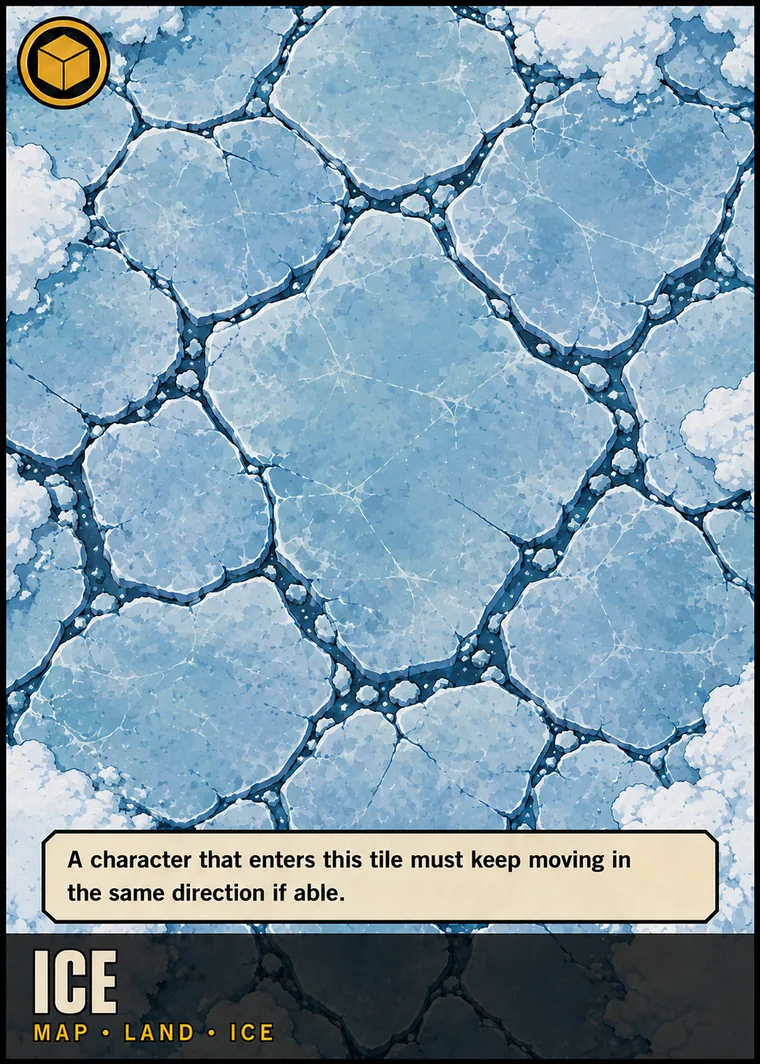
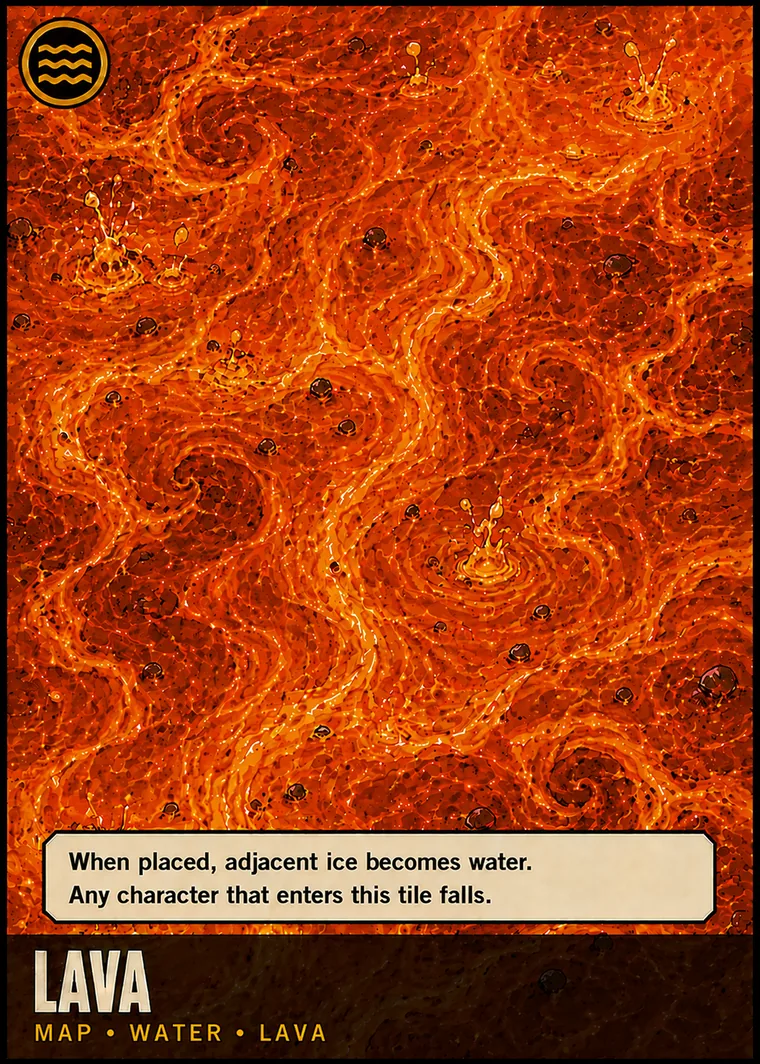
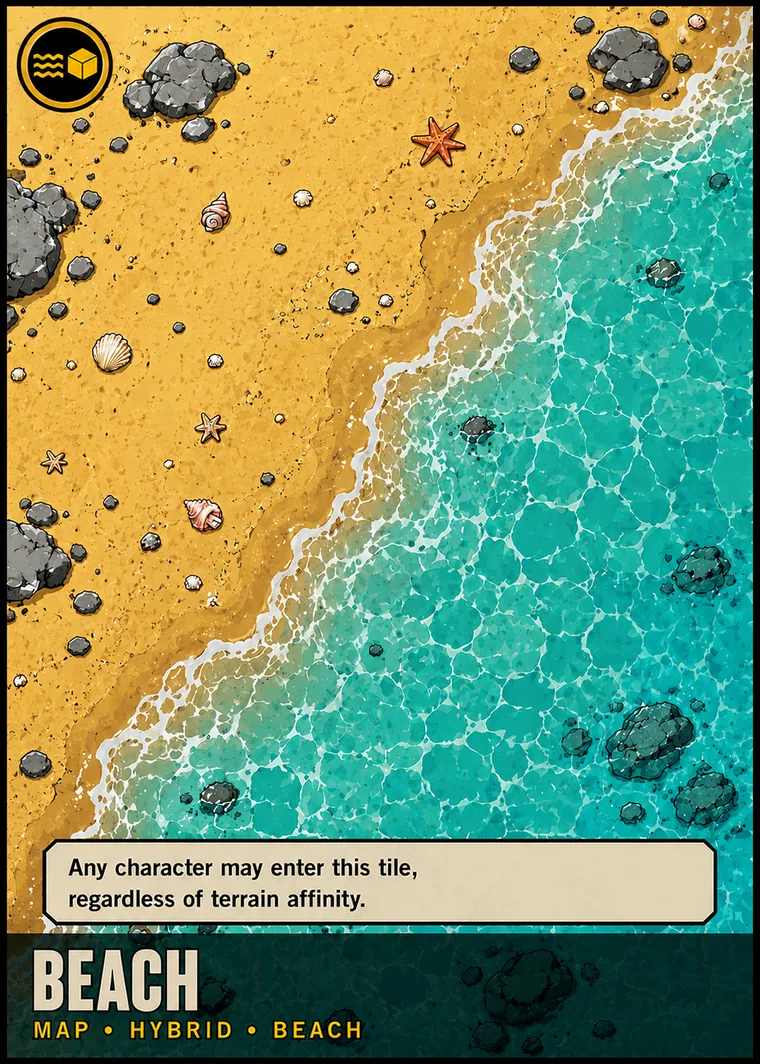
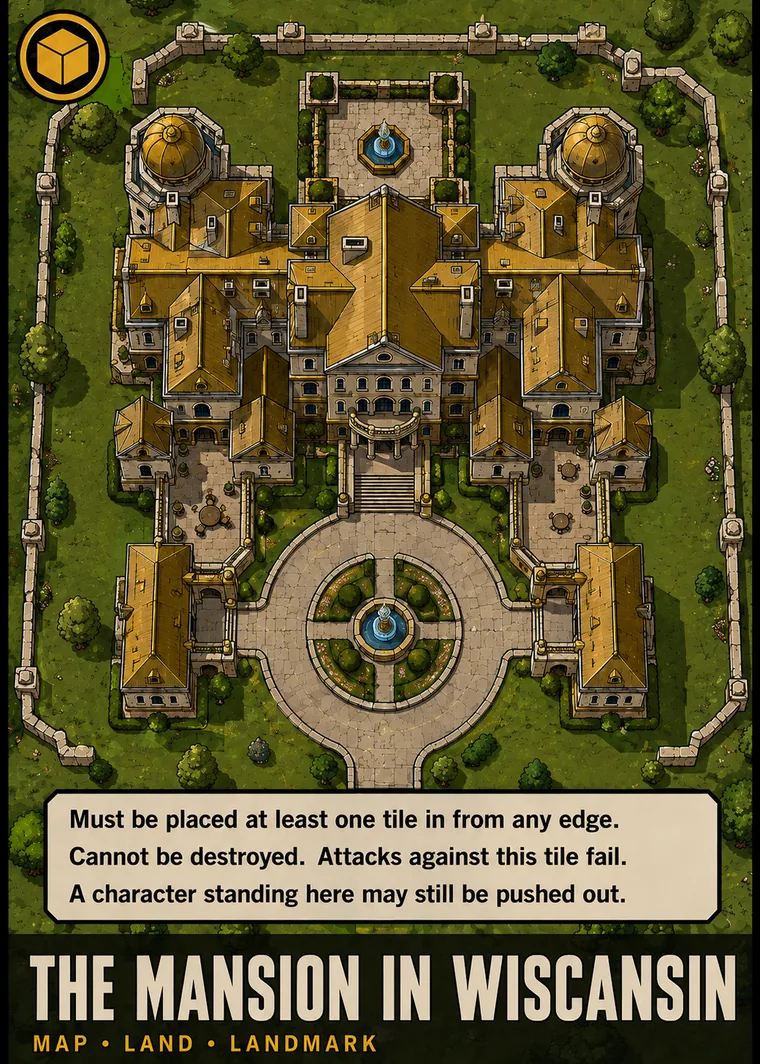
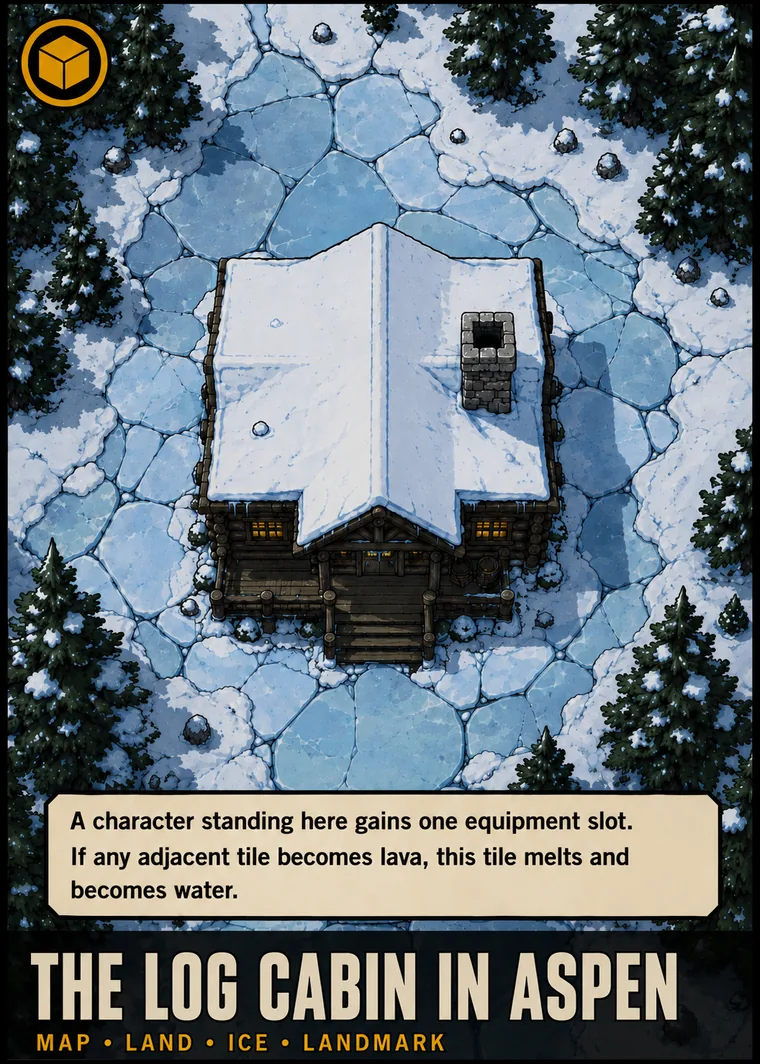
Tiles react to each other on placement. Ice beside lava melts to water. Water beside lava turns lava to stone. Landmarks come out of your own canon and are the rare pull in a pack.
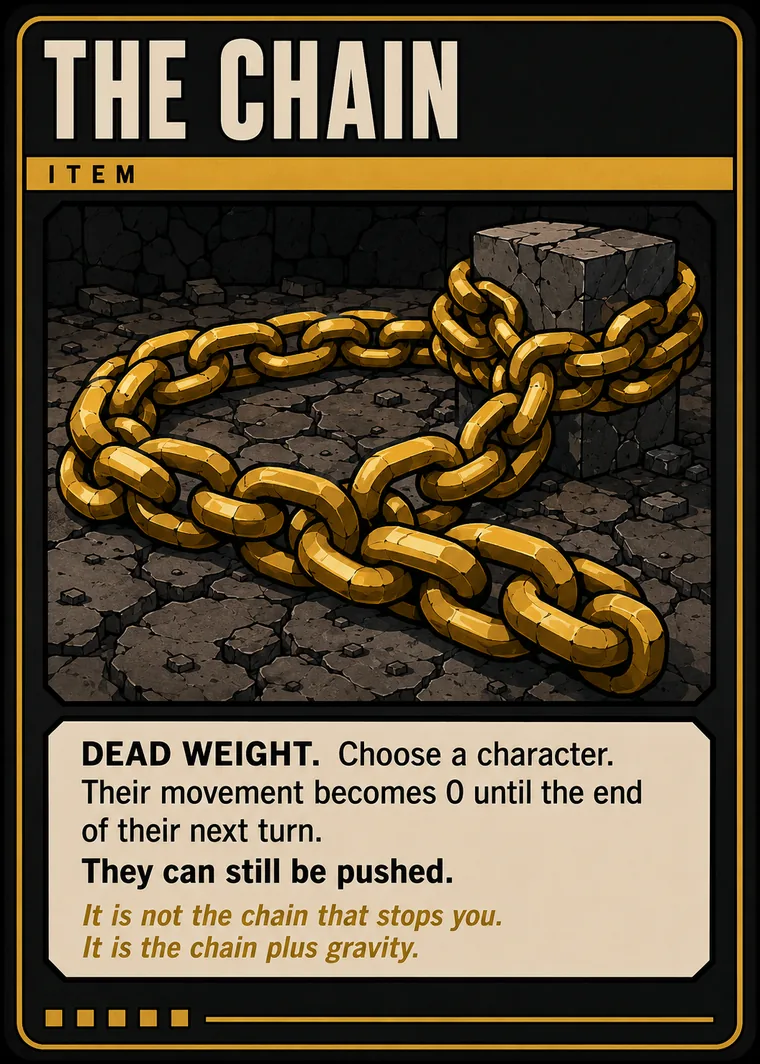
Equipment goes into limited slots during the build phase and stays there all game. Items come out of your hand at any moment, take no slot, and fire once.
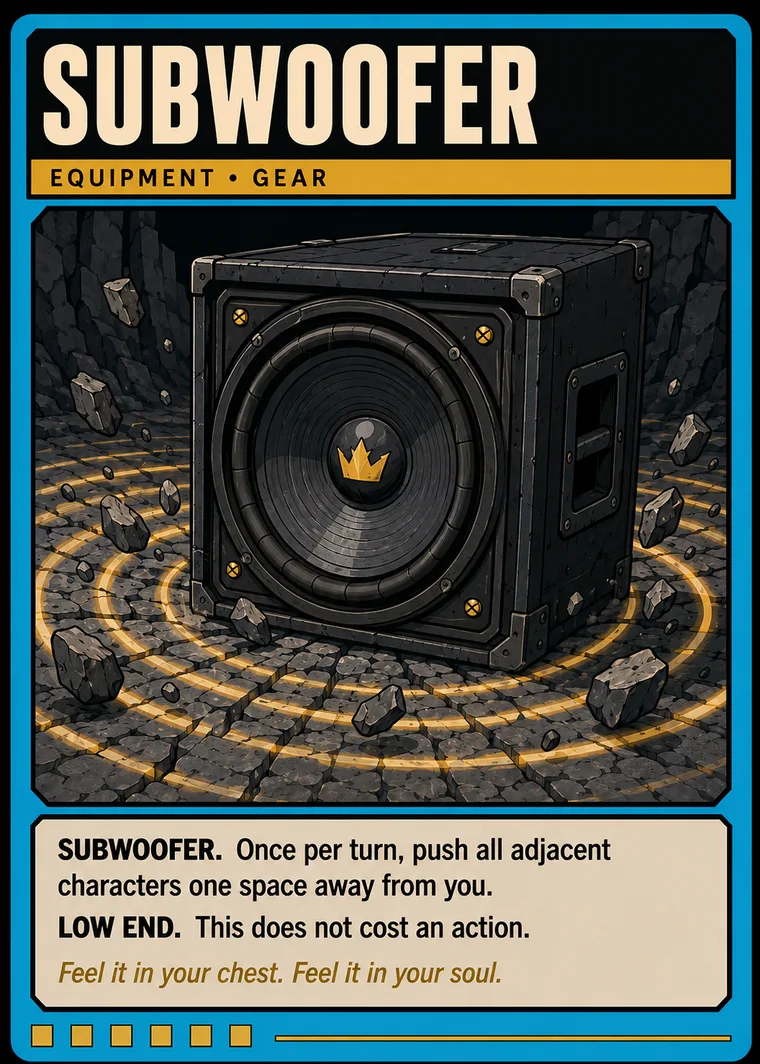
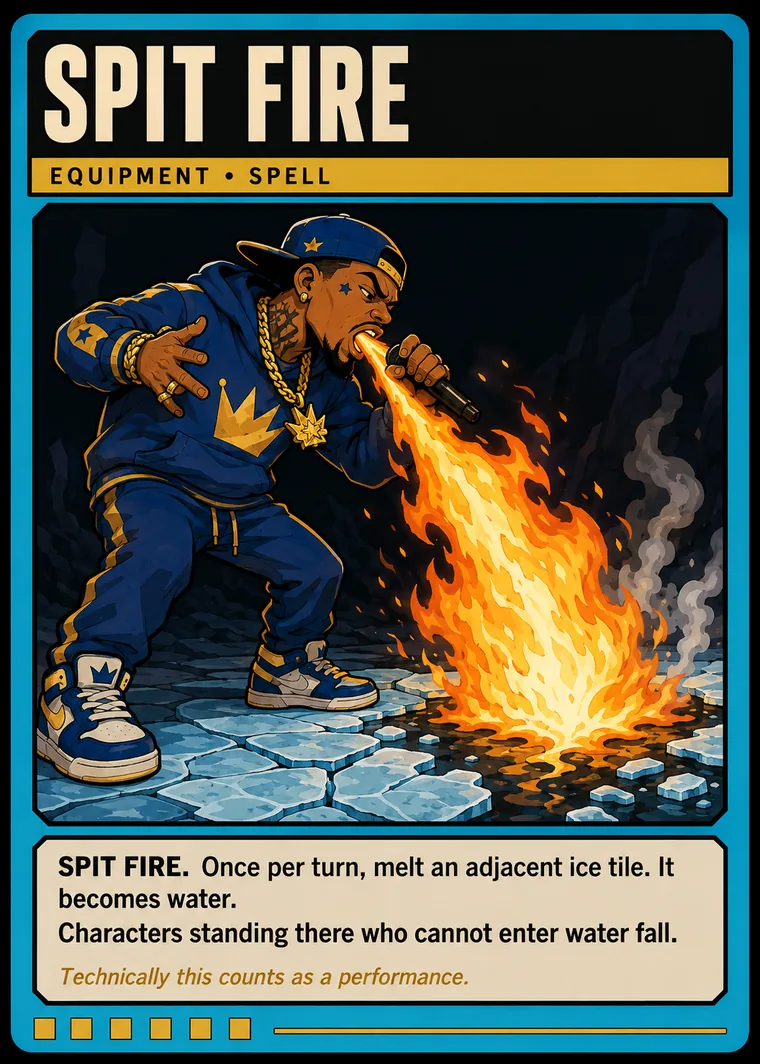
One hero you choose, a main deck of roughly forty equipment and items, and a terrain deck of about ten.
Everyone on the roster is already inside the Nappy Boy house. One internal conversation instead of forty external ones.
Original characters that have never existed anywhere else. Yung Adlib parodies an archetype rather than any identifiable artist, which is the whole trick.
Gear, items, and terrain are original designs. The named landmarks come from T-Pain's own canon.
The thing that stopped your first attempt does not exist in this design. That was the brief, and it was the first problem we solved.
Five were yours before we arrived. The ones we invent transfer to you on execution, and so does every character we draw after them. You hold the whole cast and never end up unable to print half your own game.
It ships as a Nappy Boy Gaming product. Your brand, your manufacturing, your distribution, through the pipeline you told us you already have.
Game design, development, and playtesting. That is the work we would do. How it gets structured is a conversation for whenever you are ready to have one.
That is the shape we would propose. The paper is a conversation with your people, whenever you want to have it.
Most card games scatter the state across four separate tableaus, so a stream has to cut between them and the audience loses the thread. The Drop puts everything that matters on one shared grid in the middle of the table. A single overhead shot captures the entire game state, all game, without a cut. Commander and Game Knights turned exactly that into a format.
Set Two is the same machine run again. The channel adds people, the game adds cards, and every new face arrives with an audience that already knows them, which is the hardest part of launching a character and the part you get for free. Characters can walk in from anywhere in the Nappy Boy universe, and Yung Adlib opens the parody artist lane, which is the half of the brief nothing else in the set was answering. Terrain ships in themed packs, so the board changes shape every season.
Pamplemoose Games is Zack Howe and Cole Beardsley, a two-designer studio in Madison, Wisconsin. We designed HAVOC: Gen Zero, a hardcore trading card game, and we have built concept work across music, sports, and entertainment IP.
You have a cast, an audience that watches them play party games every week, and a manufacturing pipeline. The only missing piece was the game itself.
You said you want something that moves without needing day to day time from T-Pain, with his feedback and sign-off at the gates. That is how we prefer to work.
One call with the group. We walk the loop together, you tell us which characters your audience would lose their minds over, and we scope a prototype you can put in front of a camera. And if a card game is simply not where Nappy Boy Gaming is headed right now, that is a fair answer and we will keep watching the channel either way.
Zack Howe & Cole Beardsley · Pamplemoose Games · zack@pamplemoosegames.com
Concept pitch prepared by Pamplemoose Games LLC for Nappy Boy Gaming. All Nappy Boy brand assets, names, character likenesses, and imagery appear solely to demonstrate this concept and remain the property of their owners. Game mechanics and designs are original work of Pamplemoose Games LLC. Placeholder art only; final art would be commissioned. AI never touches the game design.